Clothing Manufacturers in Pakistan – Premium Apparel Production & Export Solutions
Pakistan stands as a cornerstone of the global textile industry, combining decades of manufacturing heritage with cutting-edge production capabilities. Our clothing manufacturers in Pakistan deliver world-class apparel solutions to international brands through advanced facilities, skilled craftsmanship, and competitive pricing structures. From custom designs to large-scale production runs, Pakistani manufacturers maintain rigorous quality standards while offering flexible customization options. With strategic geographic positioning and robust export infrastructure, Pakistan serves as a trusted partner for brands seeking reliable, cost-effective, and ethical apparel manufacturing.
Why Choose Pakistani Clothing Manufacturers?
Pakistan's Textile Heritage and Industry Reputation
Pakistan's textile industry represents over 60% of the country's total exports, establishing it as the world's fourth-largest cotton producer and eighth-largest textile exporter. This deep-rooted expertise spans generations, with garment manufacturers in Pakistan refining production techniques through decades of serving international markets. The industry employs over 15 million people, creating an ecosystem where specialized knowledge transfers across workshops, factories, and design studios.
Major global brands have consistently partnered with textile manufacturers Pakistan offers due to proven track records in delivering consistent quality across diverse product categories. This reputation stems from both historical craftsmanship traditions and modern industrial investments that position Pakistan among the world's most capable apparel production centers.
Cost-Effective Production Without Compromising Quality
Pakistani manufacturers achieve remarkable cost efficiencies through vertical integration, where cotton cultivation, spinning, weaving, dyeing, and garment construction occur within interconnected facilities. This streamlined approach reduces transportation costs and intermediary markups while maintaining quality oversight at every production stage.
Labor costs in Pakistan remain 30-40% lower than in many competing markets, yet the workforce demonstrates comparable skill levels due to extensive training programs and industry experience. These economic advantages allow apparel manufacturers in Pakistan to offer competitive pricing structures that benefit brands across various market segments, from premium fashion to value retail.
Quality control mechanisms embedded throughout production processes ensure cost savings never compromise finished product standards. Third-party testing, international compliance verification, and staged quality checkpoints maintain excellence while preserving pricing advantages.
Skilled Workforce and Modern Manufacturing Facilities
Pakistan's garment workforce includes pattern makers, cutters, sewers, quality inspectors, and finishing specialists trained through formal apprenticeships and vocational programs. Many workers possess 10-20 years of experience in specific manufacturing disciplines, creating deep expertise pools that manufacturers leverage for complex production requirements.
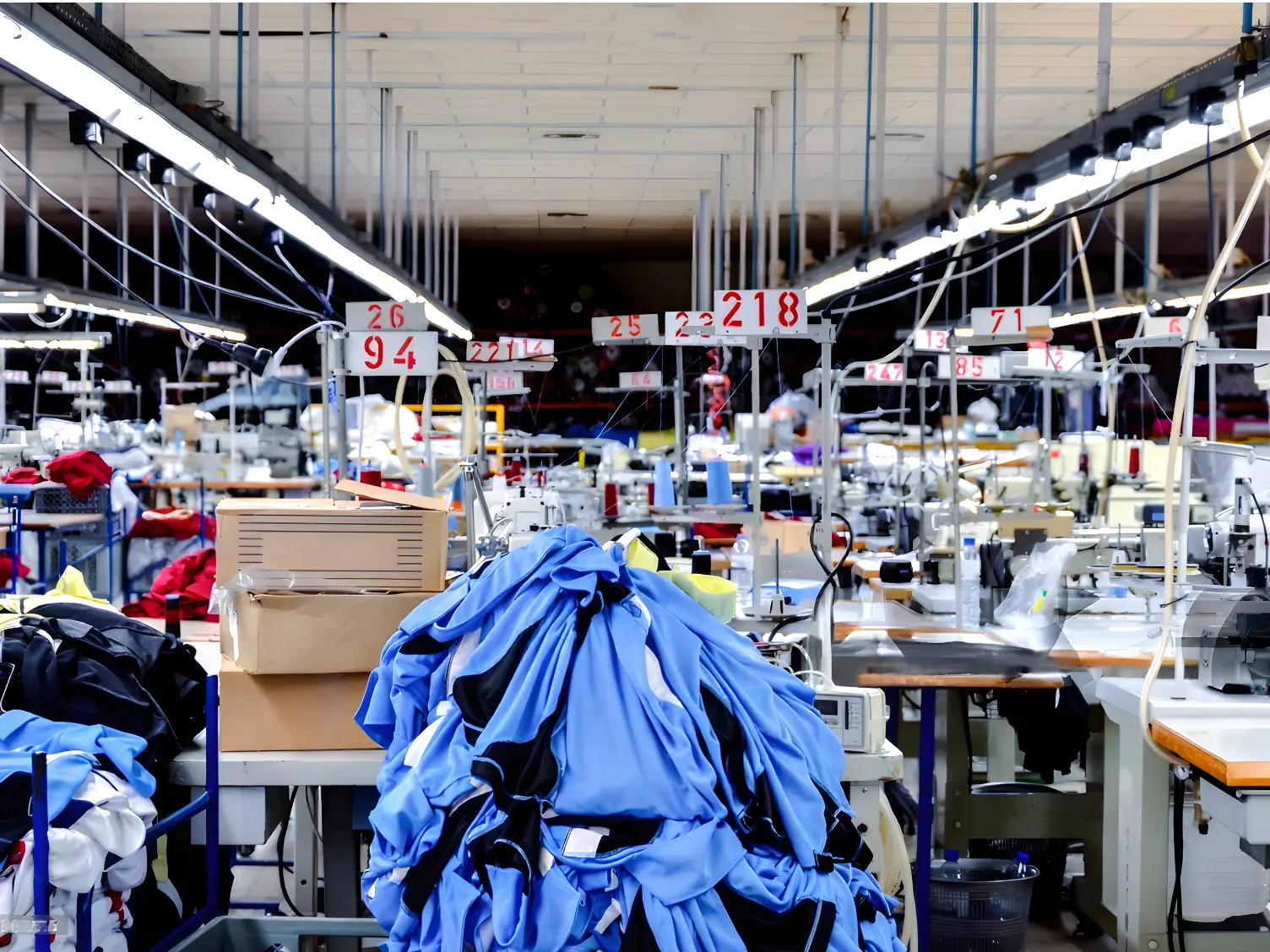
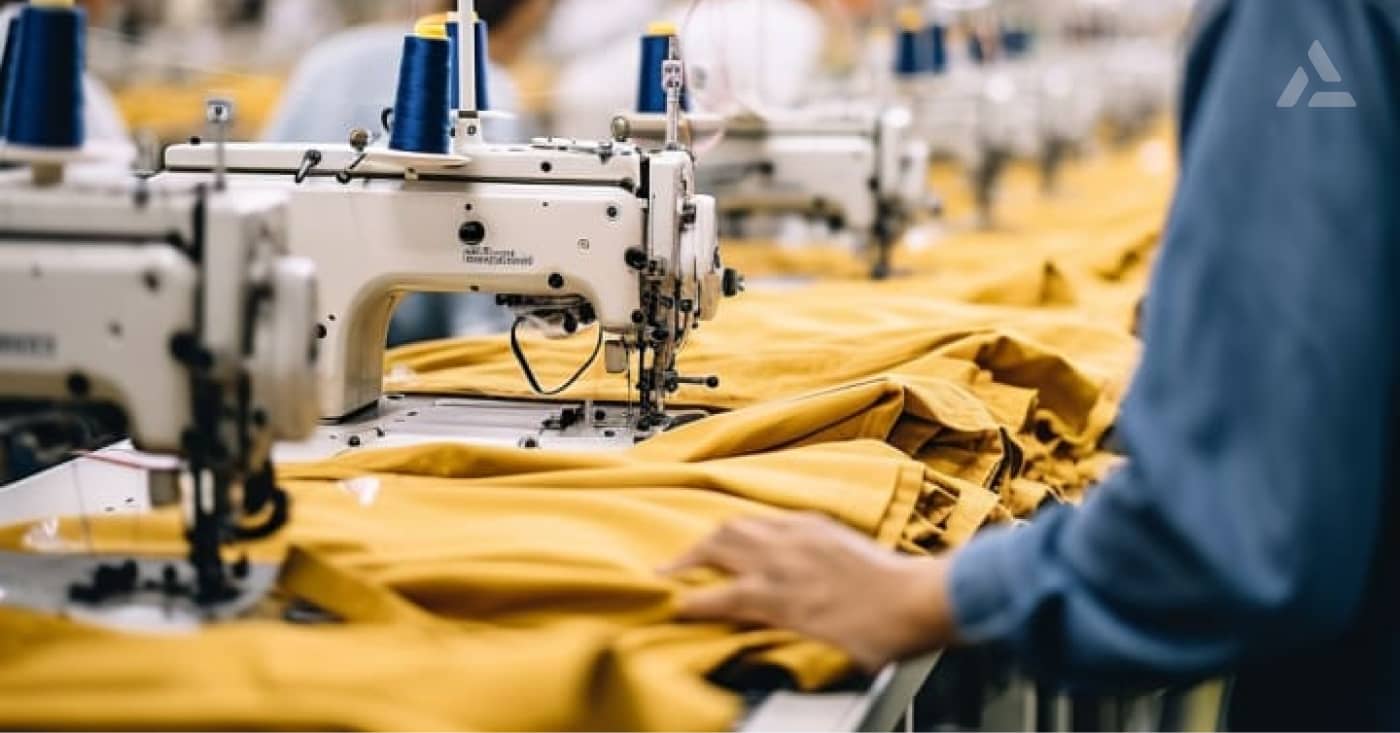
Investment in modern machinery has transformed pakistan clothing factory operations, with computerized cutting systems, automated sewing lines, and digital quality monitoring becoming standard across major facilities. These technological upgrades enhance precision, increase production speeds, and reduce material waste while expanding capabilities for technical fabrics and specialized construction methods.
Contemporary facilities feature climate-controlled production floors, ergonomic workstations, and proper lighting—factors that directly impact worker productivity and garment quality. Leading manufacturers maintain certifications for workplace safety, environmental management, and social compliance, demonstrating commitment to international operational standards.
Strategic Location for Global Shipping
Pakistan's geographic position provides accessible routes to major markets across Asia, Europe, the Middle East, and Africa. Karachi Port and Port Qasim handle substantial container volumes with established shipping partnerships to worldwide destinations, ensuring reliable logistics for export-focused manufacturers.
Direct shipping routes to key markets reduce transit times and freight costs compared to more remote production locations. This connectivity advantage becomes particularly valuable for brands managing inventory cycles, seasonal launches, or time-sensitive replenishment orders.
The government has developed Special Economic Zones near major ports, offering streamlined customs procedures, warehousing facilities, and consolidated shipping services. These infrastructure investments support efficient supply chain management for international clients working with clothing manufacturers in pakistan.
Government Support and Export Incentives
Pakistan's government actively supports textile sector growth through export rebates, tax incentives, and subsidized energy costs for manufacturing facilities. The State Bank of Pakistan offers preferential financing rates for textile exporters, reducing capital costs for equipment upgrades and capacity expansion.
Trade agreements with numerous countries provide tariff advantages for Pakistani apparel exports, improving price competitiveness in destination markets. The government has negotiated favorable terms with the European Union, China, and regional trading partners, creating preferential access conditions that benefit brands sourcing from Pakistan.
Export processing zones exempt manufacturers from certain domestic taxes and provide expedited customs clearance, reducing administrative burdens and processing delays. These policy frameworks demonstrate governmental commitment to maintaining Pakistan's competitive position in global apparel markets.
Types of Clothing Manufacturing Services in Pakistan
Custom Apparel Manufacturers in Pakistan
Private Label Manufacturing
Private label services allow brands to launch apparel lines without developing manufacturing infrastructure. Pakistani clothing manufacturer partners handle the complete production cycle from concept to finished goods, applying your branding to professionally manufactured garments.
These arrangements typically include design consultation, where experienced pattern makers translate brand vision into technical specifications. Manufacturers maintain confidentiality agreements to protect proprietary designs and ensure exclusive production rights for client brands.
Private label programs accommodate various sophistication levels, from selecting existing styles with custom branding to developing entirely original designs. This flexibility supports both established brands expanding product ranges and new ventures testing market concepts with limited initial investment.
Custom Design and Pattern Development
Technical design teams work collaboratively with clients to transform sketches, mood boards, or reference samples into production-ready patterns. Computer-aided design (CAD) systems enable precise pattern grading across size ranges, ensuring consistent fit characteristics from XS through plus sizes.
Sampling processes typically involve multiple prototype iterations, with adjustments addressing fit, construction details, and finishing specifications. Experienced manufacturers guide clients through fabric selection decisions, explaining how different materials affect drape, stretch recovery, and garment performance.
Pattern libraries maintained by established manufacturers contain thousands of proven templates for collars, cuffs, pockets, and other components. This resource base accelerates development timelines while ensuring construction techniques meet industry quality standards.
Brand-Specific Customization Options
Manufacturers accommodate unique brand requirements including specialized label placement, custom hangtags, proprietary packaging designs, and specific folding or presentation methods. These customization options help brands maintain consistent visual identity across product lines.
Embroidery, screen printing, heat transfers, and laser etching capabilities enable logo application and decorative elements. Wholesale clothing manufacturers maintain in-house decoration departments or partnerships with specialized contractors, ensuring coordinated production schedules.
Fabric treatment options include enzyme washing, stone washing, bleaching, and various dyeing techniques that achieve specific aesthetic effects. Manufacturers can execute these processes to match established brand standards or develop new treatments aligned with seasonal concepts.
Small to Large Order Quantities
Minimum order quantities vary by manufacturer and product complexity, with some facilities accepting orders as small as 500-1,000 pieces per style and color. This accessibility supports emerging brands testing new designs without excessive inventory risk.
Larger manufacturers efficiently handle orders spanning tens of thousands of units, leveraging production line capacity to maintain competitive per-unit costs at scale. Production planning systems coordinate material procurement, cutting schedules, and sewing line allocation to meet delivery commitments regardless of order size.
Flexible manufacturing approaches allow brands to start with smaller initial orders while scaling production as demand grows. Established relationships with manufacturers facilitate this growth trajectory, as shared quality standards and communication protocols become more efficient through repeated collaboration.
Sportswear & Activewear Manufacturing
Performance Fabric Expertise
Apparel manufacturers in Pakistan specializing in sportswear and activewear possess deep knowledge of technical textiles including polyester blends, nylon composites, and elastane combinations. These materials require specific handling techniques during cutting, sewing, and finishing to preserve performance characteristics.
Fabric testing laboratories evaluate moisture management properties, stretch recovery, color fastness under chlorine exposure, and UV protection ratings. This technical competency ensures athletic apparel meets performance expectations while withstanding repeated washing and intensive use.
Manufacturers maintain relationships with technical textile suppliers across Asia, accessing specialized fabrics like compression knits, mesh ventilation materials, and water-resistant treatments. This supply network enables development of performance-oriented garments matching competitive athletic products.
Athletic Wear Production Capabilities
Sportswear production requires specialized equipment including coverstitch machines for flexible seams, flatlock machines for chafe-free construction, and ultrasonic bonding equipment for seamless garment areas. Leading garment manufacturers in pakistan invest in these specialized capabilities to serve athletic brands.
Pattern engineering for sportswear accounts for body mechanics during movement, incorporating stretch factors, articulated joints, and strategic panel placement. This technical approach ensures garments provide appropriate compression, mobility, and comfort during athletic activities.
Quality control protocols for sportswear include fit testing by athletes, seam strength evaluation under stress conditions, and fabric performance verification. These rigorous standards maintain consistency with expectations for athletic-grade apparel.
Technical Sportswear Specialization
Specialized sportswear categories including cycling jerseys, yoga apparel, running gear, and team uniforms require distinct technical specifications. Manufacturers develop expertise in these niches through repeated production, building knowledge bases around construction methods and material selections.
Sublimation printing capabilities enable full-color, photo-quality graphics directly infused into polyester fabrics. This decoration method provides durability superior to traditional screen printing while allowing unlimited color complexity without cost increases.
Reflective trim application, silicone grip elastic installation, and chamois padding insertion represent specialized skills that technical sportswear manufacturers master. These capabilities differentiate facilities capable of producing professional-grade athletic apparel from general garment contractors.
Moisture-Wicking and Specialized Materials
Moisture management fabrics transport perspiration away from skin through capillary action within fiber structures. Pakistani manufacturers work with both synthetic and natural moisture-wicking materials, understanding appropriate construction techniques for each fabric type.
Antimicrobial treatments prevent odor development in athletic wear subjected to intensive use between washing cycles. Silver ion technology, zinc-based compounds, and polymer additives represent different approaches that manufacturers can apply based on product positioning and price points.
Thermal regulation fabrics incorporating phase-change materials or ceramic particle additives help maintain comfortable body temperature during exercise. While technically sophisticated, experienced clothing production pakistan facilities successfully integrate these materials into finished garments meeting brand specifications.
Fast Fashion & Casual Wear Production
Trend-Responsive Manufacturing
Fast fashion manufacturing requires organizational agility to rapidly translate trend observations into finished products. Design teams monitor fashion weeks, social media trends, and retail sales data to identify emerging styles worthy of quick production cycles.
Digital design workflows and rapid sampling capabilities compress development timelines from weeks to days. Some manufacturers maintain fabric inventories in popular colors and compositions, eliminating material procurement delays when trend opportunities arise.
Close communication channels between brands and textile manufacturers pakistan enable quick decision-making around style selections, order quantities, and delivery schedules. This partnership approach supports the compressed timelines characteristic of fast fashion business models.
Quick Turnaround Times
Production planning systems prioritize rush orders within overall manufacturing schedules, allocating dedicated production lines when necessary. Experienced manufacturers build buffer capacity into operations, enabling accommodation of expedited orders without disrupting commitments to other clients.
Air freight partnerships provide alternatives to standard ocean shipping when market timing demands faster delivery. While increasing transportation costs, air freight options enable brands to capitalize on peak selling periods or respond to unexpected demand surges.
Established manufacturers maintain ready-made garment stocks in basic styles and neutral colors, allowing rapid customization through printing, embroidery, or trim additions. This hybrid approach combines speed advantages of ready inventory with customization benefits of made-to-order production.
Diverse Style Capabilities
Casual wear encompasses vast style diversity from basic t-shirts through complex outerwear, requiring manufacturers to maintain broad technical capabilities. Equipment diversity including single-needle machines, overlock machines, blind hem machines, and specialized pressing equipment enables this range. Our casual wear manufacturing services cover everything from everyday basics to trend-forward pieces.
Pattern libraries spanning thousands of proven styles allow manufacturers to quickly adapt existing templates rather than developing patterns from scratch. This approach accelerates sampling while ensuring construction methods align with industry standards.
Cross-training initiatives develop workforce versatility, enabling seamless operator rotation between product categories as order mix fluctuates. This workforce flexibility prevents bottlenecks that could otherwise limit style diversity or compromise delivery schedules.
Retail-Ready Production
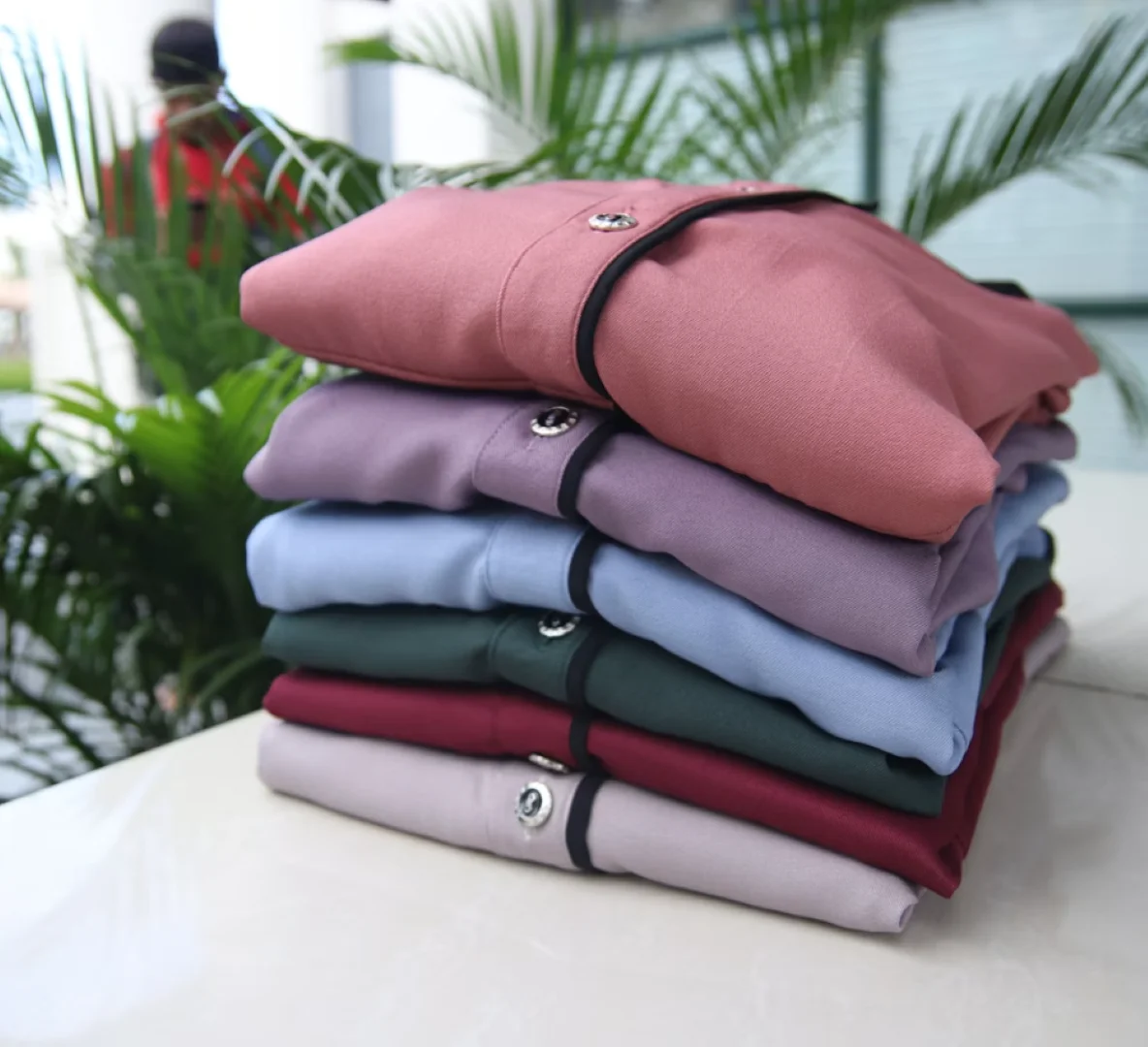
Retail-ready production includes garment finishing, quality inspection, ticketing, folding or hanging, and packaging according to retailer specifications. Pakistan clothing factory operations integrate these services, delivering products prepared for immediate floor display.
Barcode generation, RFID tag installation, and electronic data interchange (EDI) integration streamline receiving processes at retail distribution centers. Manufacturers familiar with major retailers' compliance requirements prevent shipment rejections and associated delays.
Customized packaging options range from basic polybag protection through branded boxes, tissue paper wrapping, and presentation enhancements. These finishing touches align delivered products with brand positioning while protecting garments during transit and storage.
Corporate & Workwear Manufacturing
Uniform Production
Corporate uniform programs demand absolute consistency across large order volumes and extended timeframes. Color matching protocols ensure replacement garments match existing inventory even when ordered months or years apart.
Sizing standardization becomes critical for uniform applications, where fit consistency affects professional appearance and employee satisfaction. Manufacturers maintain detailed grading standards ensuring size relationships remain proportional across the entire size range.
Embroidery or heat-sealed logo application requires precise placement specifications to maintain professional appearance. Manufacturers develop templates for each client ensuring consistent positioning regardless of which production lot a specific garment comes from.
Durable Fabric Selection
Workwear fabrics prioritize durability, colorfastness, and maintenance ease over fashion-forward aesthetics. Polyester-cotton blends, ripstop nylon, and canvas constructions withstand demanding work environments while retaining professional appearance through repeated washing.
Abrasion resistance testing, tear strength evaluation, and seam slippage analysis guide fabric selection for demanding applications. Clothing manufacturers in pakistan specializing in workwear understand these technical requirements and maintain relationships with appropriate textile suppliers.
Special treatments including stain resistance, water repellency, and flame retardancy may apply depending on industry requirements. Manufacturers coordinate with treatment specialists ensuring proper application and verification testing before garment delivery.
Bulk Order Expertise
Corporate and institutional clients often place orders spanning thousands of units across multiple styles, sizes, and colors. Manufacturers specializing in this segment develop inventory management systems tracking production status, completed quantities, and shipping schedules across complex order configurations.
Phased delivery capabilities allow manufacturers to produce and ship uniform components according to client implementation schedules. This approach prevents warehousing burdens while ensuring program launches proceed without garment availability issues.
Long-term partnership structures benefit both manufacturers and corporate clients, as production efficiency improves through repeated orders of established styles. Manufacturers maintain pattern archives and specification documentation enabling seamless reorders without redevelopment cycles.
Logo and Branding Integration
Professional embroidery services handle complex logos including multiple thread colors, small text, and intricate design elements. Thread quality and stitch density specifications ensure logos maintain appearance through extended wear and commercial laundering.
Screen printing applications suit simpler logos or situations where embroidery costs become prohibitive at required logo sizes. Manufacturers advise clients on appropriate decoration methods considering design complexity, garment fabric, and expected use conditions.
Woven labels, heat transfers, and sublimation printing represent alternative branding methods suitable for specific applications. Experienced manufacturers guide clients through these options explaining advantages and limitations of each approach.
Our Manufacturing Process & Capabilities
Design Consultation and Sampling
Initial consultations establish project scope including style requirements, quantity expectations, timeline parameters, and budget constraints. This foundation enables manufacturers to recommend appropriate production approaches and identify potential challenges early in the process.
Technical designers translate conceptual ideas into specification sheets detailing measurements, construction methods, materials, and finishing requirements. These documents become production blueprints ensuring everyone involved understands expectations.
Sample development progresses through multiple iterations addressing fit adjustments, construction refinements, and material alternatives. Manufacturers typically include 2-3 sample rounds within standard development timelines, though complex projects may require additional iterations.
Fabric Sourcing and Selection
Fabric sourcing leverages Pakistan's position as a major textile producer, with numerous mills producing woven and knit fabrics across quality and price spectrums. Vertical integration within many manufacturing groups provides direct access to textile production, shortening lead times and improving quality control.
International fabric sourcing supplements domestic production when specialized materials or specific aesthetic requirements dictate. Manufacturers maintain relationships with textile suppliers across Asia, enabling access to technical performance fabrics, luxury materials, or unique constructions not available domestically.
Fabric testing verifies material specifications before cutting, evaluating shrinkage characteristics, colorfastness, weight consistency, and width uniformity. This quality verification prevents production issues that could compromise finished garment quality or cause sizing inconsistencies.
Quality Control Standards
Multi-stage quality control begins with incoming material inspection evaluating fabric quality, trim accuracy, and component specifications. This initial checkpoint prevents defective materials from entering production, avoiding waste and quality issues.
In-process inspection occurs throughout cutting and sewing operations, with quality supervisors monitoring seam quality, stitch density, pattern matching, and construction accuracy. Immediate correction of deviations maintains overall production quality and prevents large quantities of defective garments.
Final inspection examines every finished garment before packaging, verifying measurements, checking for construction defects, ensuring proper finishing, and confirming trim application. Only garments meeting all specifications proceed to packaging and shipping.
Production Timelines
Standard production timelines span 60-90 days from order confirmation through delivery for most garment categories, though specific timelines vary based on order complexity, quantity, and material availability. This period encompasses fabric procurement, cutting, sewing, finishing, quality control, and shipping.
Sampling processes typically require 2-3 weeks per iteration, though urgent sample requests can sometimes be accommodated faster. Complete development cycles from initial consultation through production-ready samples generally span 4-8 weeks depending on complexity.
Rush production capabilities can compress timelines by 30-50% through priority scheduling, dedicated line allocation, and expedited shipping arrangements. While incurring premium costs, these options enable brands to respond to market opportunities or address inventory shortfalls.
Packaging and Shipping Solutions
Standard packaging includes individual polybag protection with barcode labels, size stickers, and care instruction tags. Carton packing follows either flat-pack or hanging methods depending on garment type and client specifications.
Custom packaging options accommodate brand-specific requirements including branded polybags, tissue paper insertion, custom hangers, and gift-quality presentation boxes. These enhancements support premium brand positioning and retail presentation standards.
Shipping coordination includes freight forwarding arrangements, customs documentation preparation, and delivery scheduling aligned with client receiving capabilities. Manufacturers partnering with experienced logistics providers ensure smooth international shipments and proper documentation compliance.
Benefits of Working with Clothing Manufacturers in Pakistan
Competitive Pricing Advantages
Pakistan's apparel manufacturing costs typically run 15-25% below comparable facilities in many competing countries while maintaining similar quality standards. This pricing advantage stems from lower labor costs, reduced energy expenses through government subsidies, and efficiencies gained through industry clustering.
Vertical integration available through many apparel manufacturers in pakistan eliminates markup chains between textile production and finished garments. Brands benefit from mill-direct pricing on fabrics while maintaining single-point accountability for quality and delivery.
Currency exchange rates between Pakistani rupees and major trading currencies like US dollars, euros, and British pounds create additional value for international buyers. Exchange rate stability maintained through government monetary policy provides predictable costing for long-term sourcing relationships.
High-Quality Craftsmanship
Generational knowledge transfer within Pakistani textile communities creates deep expertise pools in specialized manufacturing techniques. Many workers learned garment construction skills from parents or relatives, creating cultural appreciation for craftsmanship that translates into quality focus.
Training programs operated by industry associations, government vocational centers, and individual manufacturers continuously upgrade workforce skills. These initiatives introduce modern techniques while preserving traditional quality-focused approaches that characterize Pakistani manufacturing.
Quality reputation built over decades serving international brands creates strong incentive structures for manufacturers to maintain standards. Brand relationships represent valuable long-term assets that manufacturers protect through consistent quality delivery.
Scalable Production Capacity
Pakistan's large manufacturing base provides access to substantial production capacity without single-factory dependence. Brands can scale orders across multiple facilities or consolidate production as needs dictate, maintaining flexibility as business requirements evolve.
Manufacturing groups operating multiple facilities across different locations provide built-in redundancy protecting against disruptions at individual sites. This distributed capacity ensures continuity even when specific facilities face temporary challenges.
Investment in modern equipment and facility expansion continues across Pakistan's garment sector, growing overall capacity to serve international demand. This ongoing development ensures adequate production resources for brands experiencing rapid growth.
Compliance with International Standards
Pakistani manufacturers serving international brands maintain certifications including ISO 9001 for quality management, ISO 14001 for environmental management, and WRAP (Worldwide Responsible Accredited Production) for social compliance. These third-party verifications demonstrate commitment to international operational standards.
Audit programs conducted by major brands and their designated inspection agencies ensure Pakistani facilities meet specific brand requirements. Manufacturers experienced with audit processes maintain documentation systems and operational practices satisfying rigorous evaluation criteria.
Product testing capabilities include fabric performance evaluation, colorfastness verification, dimensional stability testing, and chemical composition analysis. These technical services ensure finished products meet safety standards and performance expectations for destination markets.
Sustainable and Ethical Manufacturing Practices
Sustainability initiatives within Pakistan's textile sector include water recycling systems, solar energy installations, and transition toward organic cotton cultivation. Progressive manufacturers recognize environmental responsibility as both ethical imperative and competitive differentiator.
Fair labor practices enforced through industry codes and government regulations protect worker rights regarding wages, working hours, and workplace conditions. International brand partnerships increasingly require verified compliance with ethical manufacturing standards, driving sector-wide improvements.
Chemical management programs ensure proper handling of dyes, finishing chemicals, and cleaning agents. Restricted substance lists (RSL) maintained by international brands guide manufacturing processes, preventing use of problematic chemicals in production.
Reliable Supply Chain Management
Established logistics infrastructure supports consistent material flow from textile mills through finished garment delivery. Clothing manufacturers in pakistan maintain relationships with freight forwarders, customs brokers, and shipping lines ensuring smooth international distribution.
Inventory management systems track materials throughout production processes, providing visibility into order status and enabling proactive communication when potential delays arise. This transparency helps brands manage their own inventory planning and customer commitments.
Contingency planning including backup supplier relationships, alternative shipping routes, and reserve production capacity protects against supply chain disruptions. Experienced manufacturers develop these safeguards through years of navigating typical challenges affecting international manufacturing.
Industries We Serve
Fashion Brands and Retailers
Pakistani manufacturers serve fashion brands across market segments from mass-market retailers through premium designer labels. This diversity demonstrates technical versatility and ability to meet varying quality standards and price points.
Seasonal production cycles align with fashion industry calendars, with manufacturers understanding timeline pressures associated with spring/summer and fall/winter collections. Production planning accommodates compressed schedules while maintaining quality standards essential for fashion applications.
Trend interpretation capabilities help translate runway concepts into commercially viable products at accessible price points. Technical expertise enables execution of complex construction details, specialty fabrics, and finishing techniques that define fashion-forward apparel.
Sports Teams and Athletic Organizations
Team uniform production for schools, universities, recreational leagues, and professional organizations represents significant business for many Pakistani manufacturers. Customization capabilities including player names, numbers, and team logos meet essential requirements for athletic uniforms. We specialize in various team sports including soccer uniforms, basketball uniforms, baseball uniforms, volleyball uniforms, American football uniforms, rugby uniforms, and ice hockey uniforms.
Performance fabric expertise ensures athletic uniforms provide appropriate moisture management, stretch characteristics, and durability for demanding use. Manufacturers understand sport-specific requirements differentiating basketball uniforms from soccer kits or cycling jerseys. Beyond uniforms, we also produce specialized sportswear accessories and performance-enhancing sports gloves for various athletic applications.
Rush production capabilities accommodate mid-season replacement needs or unexpected team roster changes. Manufacturers maintain pattern and specification archives enabling quick reproduction of established uniform designs.
Corporate Clients
Corporate uniform programs for hospitality, healthcare, retail, and service industries require consistent production quality across large volumes and extended timeframes. Wholesale clothing manufacturers develop systems ensuring color consistency and sizing accuracy critical for uniform applications.
Long-term partnership models benefit corporate clients through streamlined reordering processes, maintained specification archives, and dedicated account management. These relationships reduce administrative burden while ensuring uniform availability meets workforce needs.
Phased delivery coordination aligns garment shipments with corporate rollout schedules, new location openings, or seasonal workforce fluctuations. Flexible delivery arrangements prevent inventory management challenges while ensuring adequate uniform supply.
Startups and Emerging Brands
Accessible minimum order quantities enable startup brands to launch apparel lines without excessive inventory investment. This lower barrier to entry has supported numerous successful brand launches leveraging Pakistani manufacturing partnerships.
Development support including design consultation, technical specification creation, and sampling guidance helps less-experienced brand founders navigate manufacturing processes. Educational approaches build client capabilities while establishing foundations for successful production.
Growth accommodation allows emerging brands to scale production as market success develops. Manufacturers familiar with startup trajectories anticipate evolving needs and maintain flexibility supporting rapid growth phases.
E-Commerce Businesses
Direct-to-consumer e-commerce brands benefit from Pakistani manufacturers' flexibility regarding order quantities, style diversity, and delivery schedules. Production approaches align with inventory management strategies common in online retail models.
Photography and content creation support including garment presentation, flat lay arrangement, and on-model styling helps e-commerce clients develop marketing assets. Some manufacturers offer these ancillary services recognizing their value for online-focused brands.
International shipping logistics coordination enables direct shipment to fulfillment centers or individual customers depending on business models. Manufacturers experienced with e-commerce clients understand various distribution approaches and accommodate accordingly.
FAQ – Clothing Manufacturers in Pakistan
What types of clothing can Pakistani manufacturers produce?
Pakistani clothing manufacturer facilities produce comprehensive apparel categories including t-shirts, polo shirts, hoodies, sweatshirts, jackets, pants, shorts, dresses, skirts, activewear, sportswear, uniforms, workwear, and children's clothing. Technical capabilities span knit and woven garments across casual, athletic, corporate, and fashion market segments.
Specialized production includes performance sportswear with moisture-wicking fabrics, compression garments, outerwear with technical features, and complex multi-component garments. Decoration capabilities encompass embroidery, screen printing, heat transfer application, and sublimation printing.
Most manufacturers focus on specific product categories where they've developed deep expertise, though many maintain capabilities across multiple garment types. Consultation during initial discussions helps identify manufacturers whose specializations align with specific project requirements.
What are the minimum order quantities for apparel manufacturers in Pakistan?
Minimum order quantities vary significantly based on manufacturer size, product complexity, and production approach. Small to medium manufacturers may accept orders as low as 500-1,000 pieces per style and colorway, supporting startup brands and test production runs.
Larger manufacturers typically require minimums of 2,000-5,000 pieces per style and color, though these higher minimums often correspond with more competitive per-unit pricing. Custom development work may involve additional minimums covering sampling and pattern development costs.
Some manufacturers offer lower minimums for repeat orders of established styles since development costs have been amortized across initial production runs. Building relationships through smaller initial orders can lead to more flexible terms as partnerships develop.
How long does production take with a Pakistani clothing manufacturer?
Standard production timelines span 60-90 days from order confirmation through cargo delivery for most garment types. This encompasses fabric procurement (2-3 weeks), cutting and sewing (3-4 weeks), finishing and quality control (1 week), and international shipping (2-4 weeks depending on destination).
Development timelines preceding production add 4-8 weeks depending on complexity, covering design consultation, sampling iterations, and specification finalization. Rush services can compress timelines by 30-50% through priority scheduling and air freight, though premium costs apply.
Seasonal production peaks during August through October and February through April can extend timelines as capacity fills across the industry. Planning production outside these peak periods or committing to orders well in advance helps secure optimal scheduling.
Do clothing manufacturers in Pakistan offer sustainable production options?
Many garment manufacturers in pakistan have implemented sustainability initiatives including organic cotton programs, recycled polyester usage, water recycling systems, solar energy installations, and chemical management protocols. These practices address environmental concerns while meeting international brand requirements.
Certifications such as Global Organic Textile Standard (GOTS), OEKO-TEX, and bluesign verify sustainable practices and material choices. Manufacturers pursuing these certifications demonstrate commitment to environmental responsibility beyond basic compliance requirements.
Sustainable production typically involves slightly higher costs due to premium materials and additional processing requirements. However, growing consumer demand for environmentally responsible products and brand sustainability commitments continue driving adoption of these practices.
What certifications do Pakistani apparel manufacturers have?
Common certifications include ISO 9001 (quality management), ISO 14001 (environmental management), WRAP (social compliance), OEKO-TEX (textile safety), GOTS (organic textiles), and BSCI (business social compliance). Many manufacturers serving international brands maintain multiple certifications addressing different compliance aspects.
Brand-specific audit approvals from companies like Nike, Adidas, H&M, and others represent additional credentials demonstrating ability to meet stringent operational and quality standards. These audit approvals often involve annual recertification maintaining ongoing compliance.
Product testing capabilities through in-house or affiliated laboratories enable verification of fabric performance, chemical composition, colorfastness, and dimensional stability. Testing certifications ensure results meet internationally recognized standards accepted by brands and regulatory bodies.
Explore Our Specialized Manufacturing Categories:
Looking for specific product categories? We offer dedicated manufacturing services across multiple specialized areas:
Athletic & Performance Wear: Sports Wear | Active Wear | Sports Bras | Leggings | Tank Tops | Shorts | Tracksuits
Casual & Everyday Apparel: Casual Wear | Polo Shirts | Sweatshirts | Shirts
Performance Gloves: Cycling Gloves | Gym Gloves | Football Gloves | Motorbike Gloves | Motocross Gloves
Specialized Gear: Motorbike Gear | Accessories
Ready to partner with experienced clothing manufacturers in Pakistan? Contact us today to discuss your apparel production requirements, request samples, or learn more about our manufacturing capabilities. Our team provides consultation services helping you navigate production decisions and develop successful sourcing partnerships.